AI on the Road: Shaping the Next Generation of Motorway Systems
Artificial Intelligence (AI) is fundamentally transforming transportation infrastructure, redefining how motorways are planned and operated worldwide. Intelligent motorways, equipped with AI systems, are not merely visions of a distant future but a reality in many parts of the world.
Improved Road Map Generation for Automated Vehicles
Trajectory prediction models help an AV achieve this understanding by estimating the future positions and/or intent of the agents around the vehicle. These models generally predict future trajectories based on the observed trajectories of agents, but can also utilize additional information about the agents or their environment. Recent trajectory prediction datasets provide high-definition (HD) road maps annotated by humans that additionally contain lane information. However, using human annotators is costly and can delay much-needed map updates when the static environment changes.
AgeTech: Supporting Safe Driving for Older Adults
The automobile is considered essential for transportation in most Western countries. Numerous studies indicate that driving ability declines as people age, especially after 80, leading to increased crash rates and poorer performance on driving tests.
New Directions in Vehicle Communications
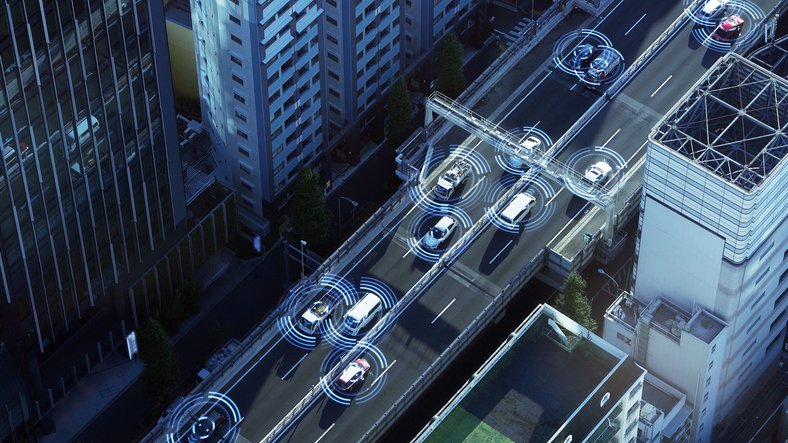
Recently, the research community's focus has shifted to new directions in 5G and 6G wireless networks. This shift, driven by advances in the automotive industry and the growing demand for Connected and Autonomous Vehicles (CAVs), is ushering in a new era of networked wireless systems. The promise of CAVs to deliver safer travel, reduced pollution, and optimized solutions is a compelling driver for this transformation.
Safe Autonomous Driving
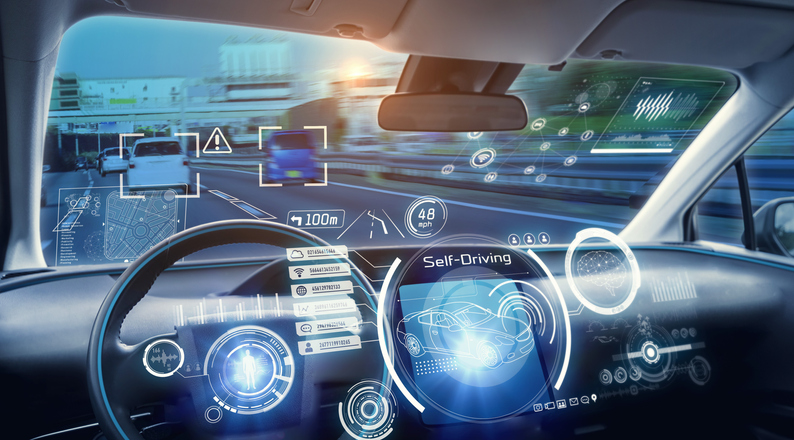
In the past decade, autonomous systems have attracted the attention of many researchers and companies on a global scale. To fully deploy highly automated driving technologies in more general settings, such as urban driving, the autonomous system needs to sense the surrounding environment reliably and interact with it safely. To that end, the open problems related to safe autonomous driving span from designing cost-effective, robust, and reliable sensors to developing powerful perception and motion planning and control algorithms.
Exploring Cybersecurity for Electric Vehicles
With the development of networking technology for the Internet of Vehicles (IoV), there are opportunities for persistent and dangerous cyber-attacks. If these threats are not detected (especially for safety-critical applications), they can lead to catastrophic failure and substantial economic loss.
On the Road to a Smarter Future
Deep Learning Helps Autonomous Vehicles Operate in Extreme Weather
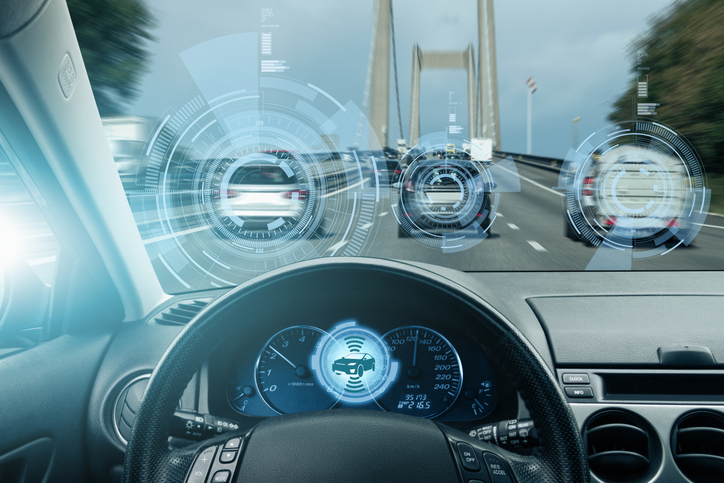
Similar to human drivers, adverse weather conditions still pose as a major obstacle for autonomous vehicles (AVs). Using a deep learning framework, researchers have developed a new detection and tracking system aimed at solving how AVs “see” their surroundings.
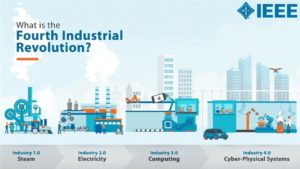
Fueling the Fourth Industrial Revolution
The Fourth Industrial Revolution is upon us, and IEEE is leading the way. Learn more about key technologies that will change the way we live in this new era and how IEEE research is fostering innovation and education in these fields.