Advancing Neonatal Phototherapy Research
Phototherapy is a widely accepted, effective, and non-invasive treatment for neonatal jaundice (NNJ). In this common condition, a newborn has high levels of the yellow pigment bilirubin in their blood. The therapy uses controlled blue-green light to alter the structure of bilirubin, allowing the body to expel it more easily. While usually temporary and harmless, severe jaundice can cause brain damage, making phototherapy a vital treatment to prevent complications.
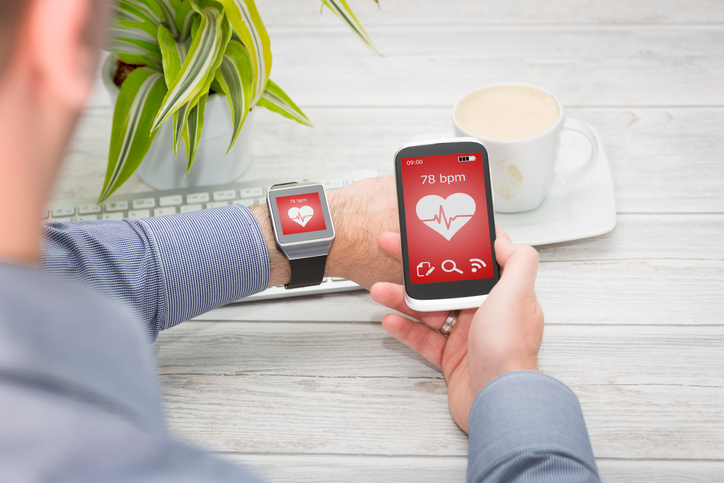
Wearable Tech for Mental Health Monitoring Real-Time Stress Detection Using Biometric Sensors
In the field of mental health, stress plays a significant role in many conditions, including anxiety, depression, and burnout. That’s why the ability to monitor stress in real time is highly desired as a way to take preventative action. Wearable technology is one possible way to tackle the issue since it can continuously collect passive data on physiological biomarkers that can be used to identify stress as it occurs.
Chemosensory EEG Signals Identify Patients with Parkinson’s Disease
Parkinson’s disease (PD) is a progressive neurodegenerative disorder that impairs motor and sensory functions, with early symptoms often involving olfactory dysfunction. According to the Parkinson’s Foundation, making an accurate diagnosis of Parkinson’s, particularly in its early stages, can be difficult. However, the earlier the disease is diagnosed, the earlier a person can receive interventions to slow its progression.
A Comprehensive Analysis of Obstacles to Wearable Technology Adoption in Healthcare
The advent of Wearable Technology Devices (WTDs) has been a game-changer in healthcare, particularly among older adults. However, adoption has been slow, and researchers have conducted various studies to understand why.
Advances in Cancer Detection
Breast cancer represents 12.5% of all newly diagnosed cancer cases globally, establishing it as the most prevalent form of cancer worldwide. It accounts for around 30% of all newly diagnosed female cancers in the United States.
Trends in the Artificial Emotional Intelligence Industry
AI is already creating new things that are not just seen, copied, or synthesized in art, music, and video, and some AI is at a stage where human emotions can be understood, recognized, and used in real applications.
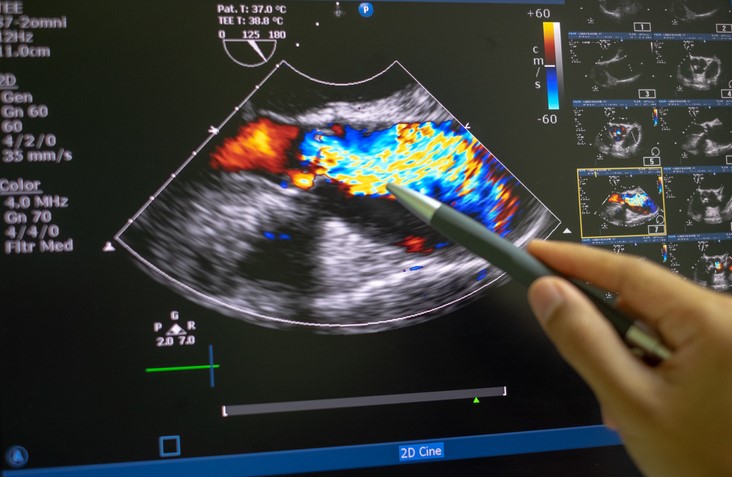
Deep learning opens doors for next-generation ultrasounds
Ultrasound imaging is currently one of the most commonly used diagnostic procedures across many medical specialties, but issues remain and researchers have developed a new deep learning approach that could revolutionize many aspects of the field, from imaging to signal reconstruction.
A Federated Learning Model to Personalize and Secure Healthcare Diagnosis in Wearables
A new federated learning framework could help create a more personalized healthcare experience for wearable devices that doesn’t risk compromising users’ privacy and security.
Secure Transport of COVID-19 Vaccines with IoT Cold Chain Monitoring
Many vaccines, like those for COVID-19, must be kept cold. To prevent waste and breaches in the cold chain system, researchers have developed an IoT monitoring system that tracks the temperature and location of vaccines from the manufacturing plant to the patient's arm.
Fueling the Fourth Industrial Revolution
The Fourth Industrial Revolution is upon us, and IEEE is leading the way. Learn more about key technologies that will change the way we live in this new era and how IEEE research is fostering innovation and education in these fields.