Wearable Tech for Mental Health Monitoring Real-Time Stress Detection Using Biometric Sensors
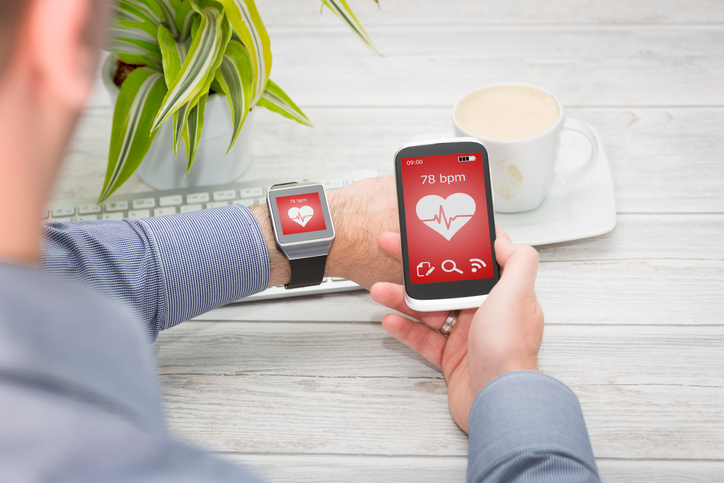
In the field of mental health, stress plays a significant role in many conditions, including anxiety, depression, and burnout. That’s why the ability to monitor stress in real time is highly desired as a way to take preventative action. Wearable technology is one possible way to tackle the issue since it can continuously collect passive data on physiological biomarkers that can be used to identify stress as it occurs.
Pneumatic Exoskeleton with Adjustable Stiffness Facilitates Both Overhead and Forward Arm Tasks
Despite the increase of automation in industry, work-related musculoskeletal disorders are often seen in overhead and ahead working, resulting in a global occupational health issue. Exoskeletons designed to offset exertion have been introduced as a way to reduce work-related musculoskeletal disorders.
A Comprehensive Analysis of Obstacles to Wearable Technology Adoption in Healthcare
The advent of Wearable Technology Devices (WTDs) has been a game-changer in healthcare, particularly among older adults. However, adoption has been slow, and researchers have conducted various studies to understand why.
Wearable Gait Technology
Instrumented gait analysis plays a crucial role in clinical assessment and rehabilitation. Gait analysis can identify impairments, guide the development of effective rehabilitation programs, and inform strategies to improve overall function and quality of life. Specifically, instrumented approaches can better inform how individuals can walk with greater comfort and reduced pain.
Studying the Gaze for Wearable Glasses
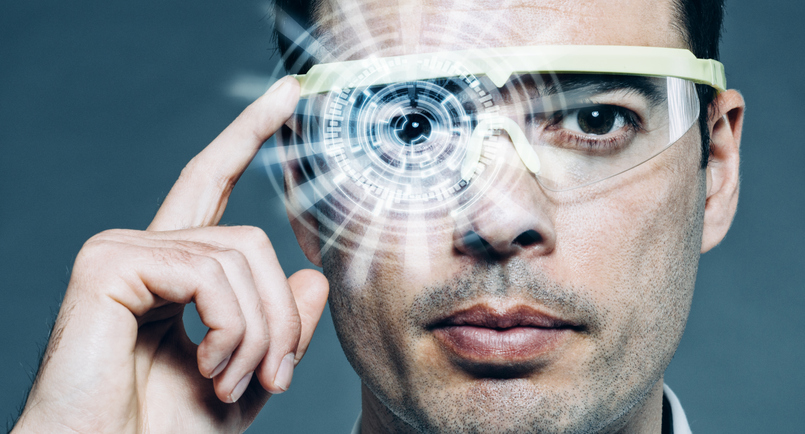
Eye tracking is a key sensing technology for wearable glasses, required to enable application display enhancement methods. State-of-the-art eye tracking systems rely on video oculography (VOG), which uses a camera-based system to infer the user’s gaze from a sequence of images.
Human-Robot Collaboration for Industry
According to researchers, a critical enabler of human-robot work collaboration at construction sites is a user-friendly interface to support the interaction between workers and robots.
Can the IoT and Chipless RFID Sensors Transform Healthcare?
With the development of both present and future technologies, the Internet of Things (IoT) based solutions offer many potential benefits to today’s world, especially in healthcare. Currently, there is a high demand for low-cost solutions in connected healthcare and real-time wireless patient monitoring remotely.
A Federated Learning Model to Personalize and Secure Healthcare Diagnosis in Wearables
A new federated learning framework could help create a more personalized healthcare experience for wearable devices that doesn’t risk compromising users’ privacy and security.
E-Textiles: The Next Frontier of Wearables
E-textiles could be the next frontier of wearables, bringing more functionality to what we wear.
Fueling the Fourth Industrial Revolution
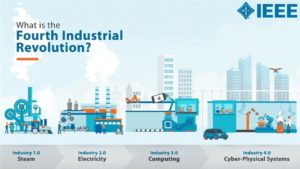
The Fourth Industrial Revolution is upon us, and IEEE is leading the way. Learn more about key technologies that will change the way we live in this new era and how IEEE research is fostering innovation and education in these fields.